
New! First-Chapters Quick Analysis on Developmental Craft Topics (Structure, Pacing, Tension, Motivation, etc.)
AVAILABLE SERVICES
-
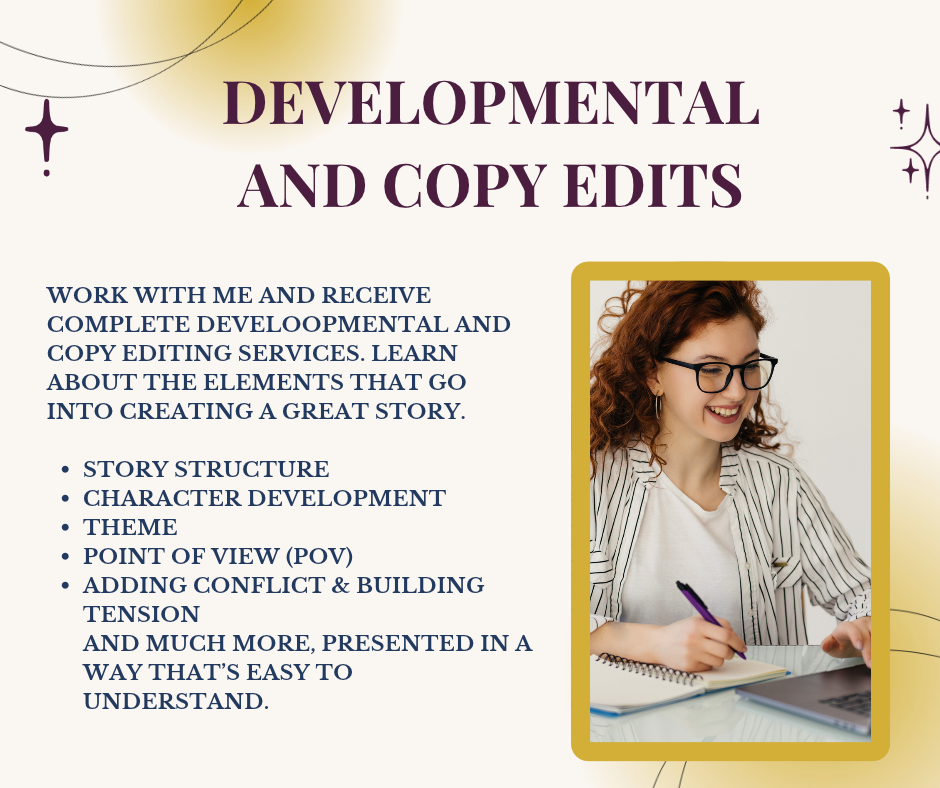
Manuscript Editing Services
CLICK THE IMAGE TO LEARN MORE!
-
Author Coach or Mentor Services
CLICK THE IMAGE TO LEARN MORE!
-

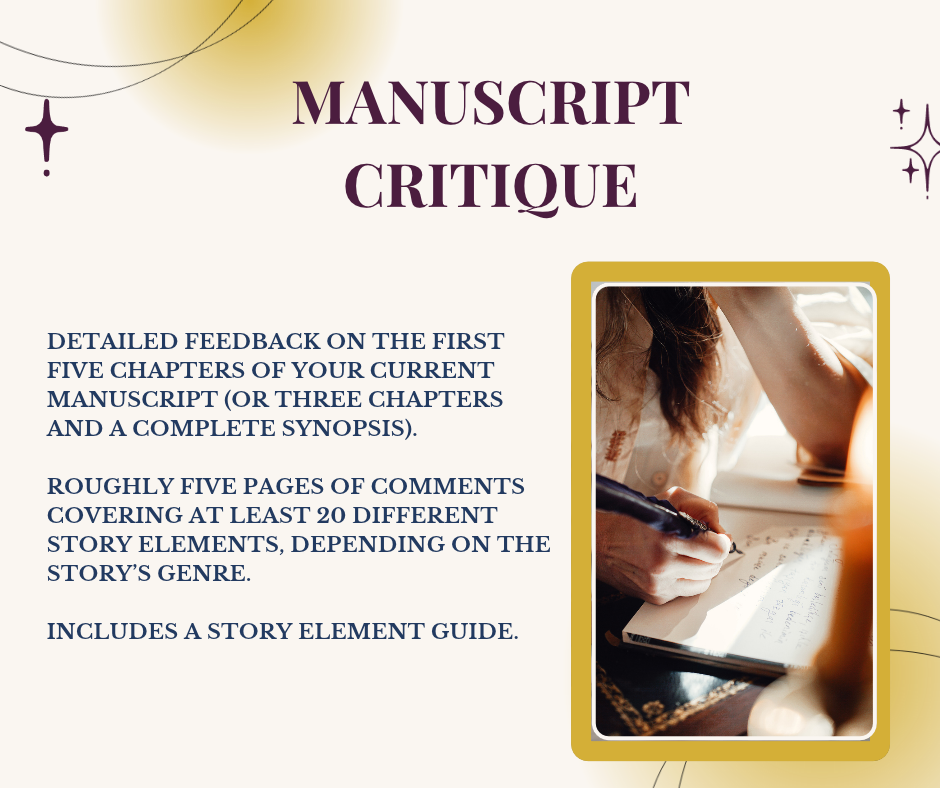
Manuscript Critique Services
CLICK THE IMAGE TO LEARN MORE!

About Jill NoBLE-SHEARER
I’m a writer, editor of over 20 years, and a quiet rebel helping others reclaim their voice.
Through comprehensive developmental and content editing services, as well as coaching or mentoring that includes a customized plan for author self-care, I help authors master the elements of story, fine tune their manuscripts, and maintain a sense of balance and clarity—on the page and in life.
We’re building a ladder here. A ladder made of language and light.

Feeling stuck? Start here.
Download the free workbook FICTION AS ACTIVISM—for Writers Who Want to Fight Back.
Deep point of view (often abbreviated as POV) puts the reader inside the character's head. Readers can imagine the character walking into the room, hearing bad news, arguing with her mother, or discovering a body, but they experience those moments from her perspective.
We see what she sees, and more importantly, we notice what she notices. We interpret each person she encounters and places she visits through her history with them, good or bad.
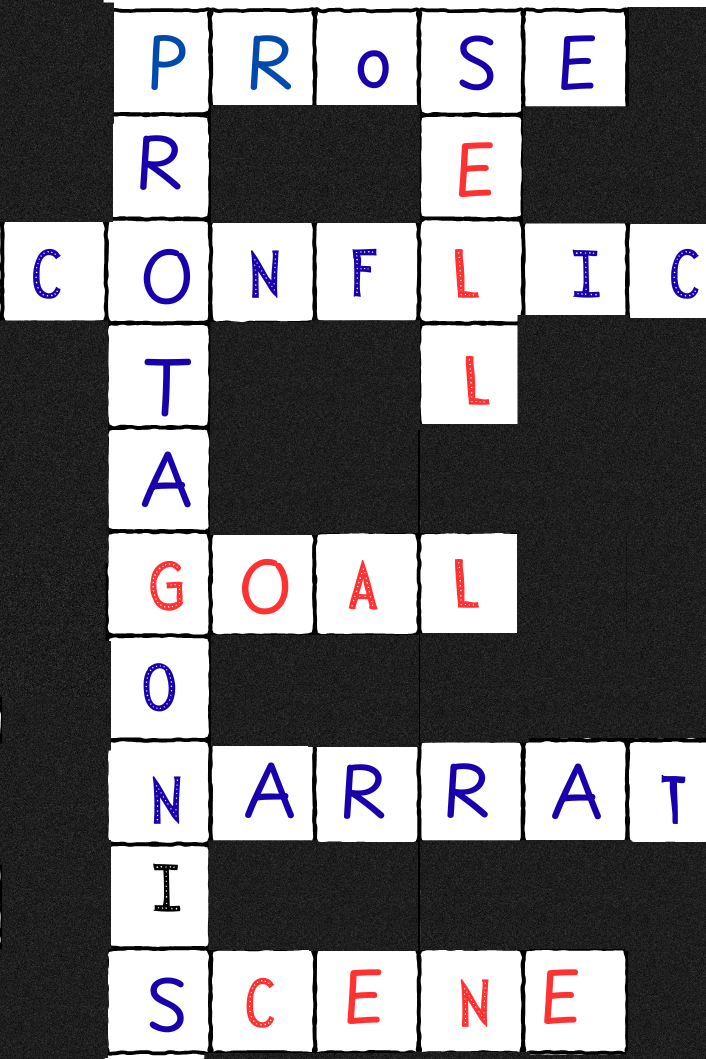
Before a writer can use deep point of view, they need to understand introspection. Some authors believe they need to pause the story’s action or forward momentum and give the protagonist time to think. They’ll create a short scene in which the protagonist is musing over some event. These longer periods of reflection (see sequel below) are fine when the story calls for it, but the writer misses dozens of other opportunities to draw readers deeper into the story by inserting short instances of introspection into the narrative.